
Quick Summary
- Private wood clearing Edmonton projects require specific municipal development permits if clearing exceeds a certain square footage or alters the landscape grade.
- Alberta acreage land clearing must avoid protected riparian zones, wetlands, and designated wildlife corridors to prevent provincial infractions.
- Transporting machinery to rural sites involves mobilizing heavy equipment on roads with strict seasonal weight restrictions.
- Acreage land clearing cost in Alberta variables include land slope, tree diameter, total acreage, and timber hauling distances.
- Sustainable acreage logging relies on advanced tracked harvesters to minimize soil compaction and root damage.
- Crown land timber harvesting is highly regulated by the province, whereas private land timber is managed by local county bylaws.
- Employing professional private wood services guarantees correct bunch and skid practices, drastically reducing the risk of ground disturbance.
If you are planning an Alberta acreage land clearing project, your primary goal is to remove timber safely while strictly avoiding municipal fines and environmental violations. Clearing wood from rural residential property or agricultural acreage requires strict adherence to local bylaws, soil conservation mandates, and provincial wildlife protections. Navigating residential timber harvesting laws can be complex, and a single mistake near a riparian zone or property line can result in heavy penalties. This guide provides a factual breakdown of private property tree removal regulations in the Edmonton metro area and surrounding rural counties. You will learn the exact steps required to assess your acreage, secure the correct municipal approvals, and extract timber efficiently. By understanding the mechanical processes of bunching, skidding, and delimbing timber on private land, you can ensure your project remains compliant, cost-effective, and environmentally responsible.
Understanding Residential Timber Harvesting Laws in Alberta
Timber removal regulations vary drastically depending on land ownership. When assessing land clearing requirements, you must first differentiate between titled private acreage and adjacent public lands. Private landowners hold the rights to the timber on their titled property, but the extraction of that timber is heavily governed by municipal land-use bylaws and environmental codes.
Counties enforce regulations to prevent severe soil erosion, manage stormwater runoff, and protect local ecosystems. Before any machinery touches the soil, landowners must cross-reference their project plans with their specific county development office. If your property borders public territory, you must be extremely cautious about boundary lines. Harvesting timber across a property line into public territory constitutes timber theft and environmental damage. For an accurate framework on how the province manages non-private trees, review Alberta’s Crown and private land timber harvesting guidelines by the Government of Alberta to understand the strict boundary distinctions between private ownership and Crown land jurisdiction.
Environmental codes also dictate when you can legally clear land. Alberta enforces strict wildlife protection acts, including migratory bird nesting windows. Clearing timber during peak nesting seasons without a registered biological sweep can lead to immediate project shutdowns and severe federal penalties. You must map these environmental variables accurately. Understanding these residential timber harvesting laws ensures your project begins on a solid legal foundation, preventing unexpected operational halts.
Local Considerations for Edmonton and Surrounding Counties
Acreage owners in the Edmonton Metro Area, including Parkland County, Sturgeon County, and Strathcona County, face specific local considerations due to the regional geography. The North Saskatchewan River watershed heavily influences land development bylaws across these municipalities, requiring strict compliance to protect local water quality.
In Parkland County, the soil composition often features heavy clay, which becomes highly susceptible to deep rutting during the spring thaw. Land clearing operations must be precisely timed during the winter months when the ground is frozen, or during the dry late-summer season, to prevent irreversible soil damage. Driving heavy forestry equipment over thawed clay destroys the soil structure, rendering the land unsuitable for future foundation pouring or agricultural use.
Sturgeon County enforces strict setbacks from agricultural irrigation canals and natural drainage ditches. Clearing timber too close to these water features degrades the embankment and leads to agricultural runoff issues. You must consult the county drainage maps to identify all setback requirements before mapping your clearing zones.
Strathcona County contains numerous protected wetlands and designated conservation zones. Landowners must verify if their acreage falls within a localized biospheric transition zone. If so, tree removal requires secondary environmental impact assessments before any permits are issued. Failing to map these localized ecological features before scheduling tree removal guarantees permitting delays and increases the risk of municipal stop-work orders.
Ready to ensure your acreage project complies with all local county regulations? Avoid municipal fines and costly project delays by contacting our team to request a site clearing assessment.
Acreage Land Clearing Cost Alberta: Budgeting Your Project
Determining the acreage land clearing cost in Alberta requires analyzing multiple site-specific variables. Flat, accessible land with small-diameter trees costs significantly less to clear than sloped terrain dense with mature spruce or pine. The final cost encompasses equipment mobilization, labour, machinery operation, and timber hauling.
Below is a breakdown of the primary factors influencing land clearing costs:
| Cost Factor | Description of Impact on Budget | Cost Variability |
| Acreage Size and Density | Larger areas require more machine hours. High-density forests slow down the harvesting process and increase fuel consumption. | High |
| Tree Species and Diameter | Mature, thick-trunked coniferous trees require heavier, more expensive harvesting machinery compared to young deciduous brush. | Medium |
| Topography and Slope | Steep gradients increase safety risks and slow equipment mobility, increasing overall labour and operating hours. | High |
| Equipment Mobilization | The cost of transporting tracked feller bunchers and skidders to the site increases with the distance from the contractor’s base. | Low to Medium |
| Debris Management | Costs vary depending on whether the timber is hauled away, mulched on-site, or stacked for personal use. | Medium |
Export to Sheets
Budgeting accurately requires a professional site walk-through to assess ground stability and access routes. Hidden costs often arise from poor planning, such as failing to account for overhead power lines that dictate specialized harvesting approaches or narrow access gates that complicate machinery delivery. When you invest in professional private wood services, these variables are calculated upfront to prevent budget overruns.
Delimbing Timber on Private Land and Bunch and Skid Services
The physical process of extracting trees involves highly specialized machinery. Attempting to clear mature timber using standard farm equipment is inefficient and dangerous. Professional land clearing relies on heavy forestry machinery to execute bunch and skid services safely and effectively.
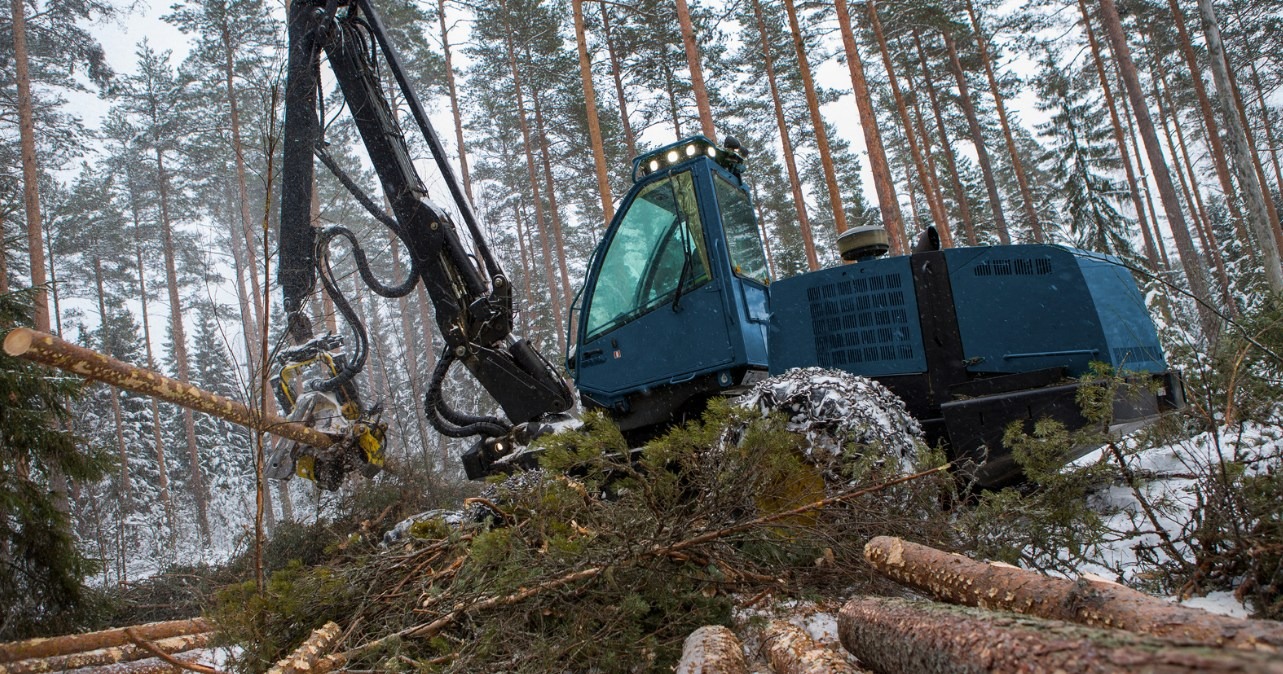
The process begins with a feller-buncher. This machine drives into the designated clearing zone, grabs the tree trunk, cuts it at the base, and carefully lowers it to the ground in an organized stack or bunch. This controlled felling prevents damage to surrounding structures, protects remaining trees, and minimizes ground disturbance. It is a highly calculated operation that ensures maximum timber yield without sacrificing the surrounding ecosystem.
Once the trees are bunched, a skidder drags the stacks to a central landing area on the property. Skidding must be executed carefully to avoid tearing up the topsoil. At the landing area, the trees undergo delimbing. Delimbing timber on private land involves stripping the branches and tops from the main trunk. The resulting clean logs are then sorted by size and species, ready for transport or processing. The leftover branches, known as slash, are either chipped, mulched into the soil to promote organic regeneration, or piled for controlled burning if local fire bans permit.
Realistic Service Constraints and Heavy Equipment Logistics
Executing an acreage clearing project requires acknowledging realistic service constraints. Professional forestry contractors operate massive, heavy machinery that cannot navigate every environment instantly. Understanding these limitations prevents timeline frustrations.
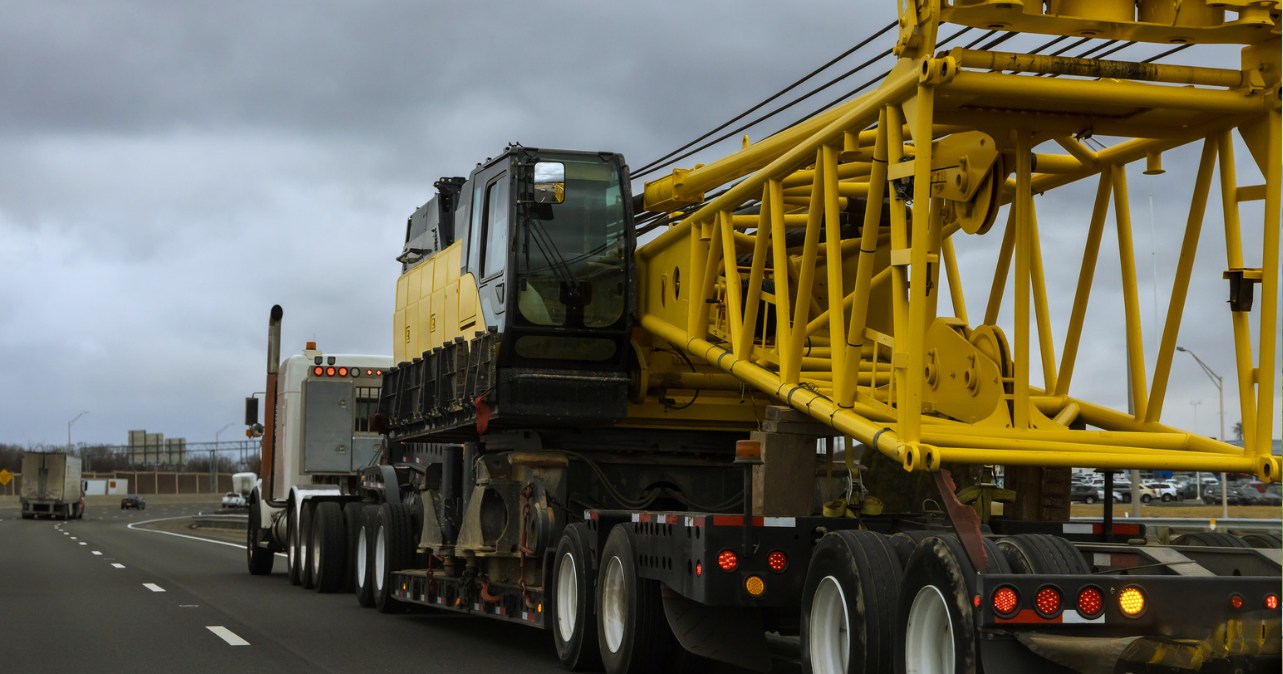
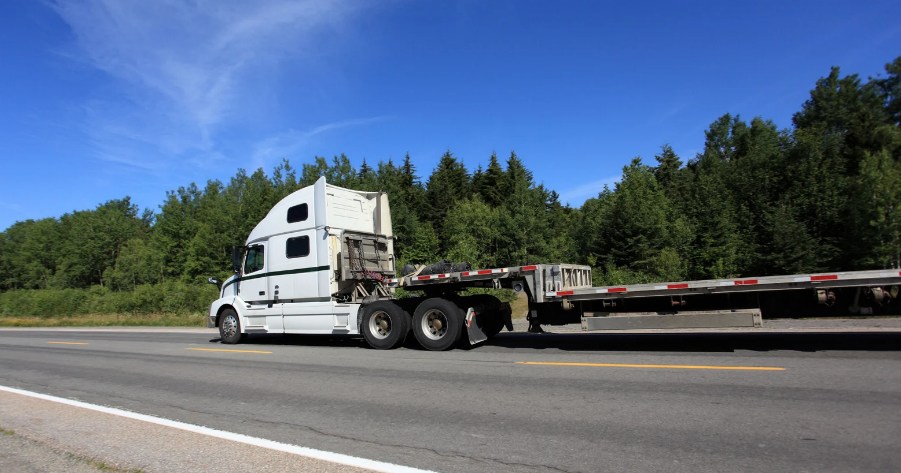
One major constraint is road access. Mobilizing heavy equipment requires low-bed trailers. These trailers need wide turning radii, substantial overhead clearance, and highly stable access roads. If your acreage is accessible only via a narrow, winding dirt driveway with a deteriorating culvert, the heavy equipment transport cannot physically deliver the harvesters to your site. Access roads must be assessed and potentially reinforced before the project begins. Understanding the logistics of mobilizing heavy equipment is essential for a smooth project launch.
Weather poses the most significant logistical constraint. In Alberta, the spring thaw forces municipalities to implement road bans. These bans restrict the weight of vehicles allowed on rural roads to prevent asphalt and gravel destruction. During a road ban, transporting heavy machinery to your acreage is legally prohibited. Furthermore, operating heavy skidders in muddy, thawing conditions causes severe soil compaction and rutting, destroying the viability of the land for future development or pasture. Consequently, scheduling your clearing project during the optimal winter freeze or dry summer months is mandatory for logistical success.
The Recommended Workflow for Sustainable Acreage Logging
While every contractor operates differently, sustainable acreage logging follows a highly structured, phased approach to ensure safety and compliance. We recommend the following workflow to manage private land timber harvesting effectively from start to finish.
Phase 1: Initial Site and Regulatory Assessment
- Map the exact property boundaries using official county survey documents.
- Identify and mark all riparian zones, wetlands, and steep gradients.
- Check the property against local wildlife nesting windows and conservation overlays.
- Submit required development or tree-clearing permit applications to the municipal office.
Phase 2: Access and Logistics Planning
- Measure the access road width and assess culvert weight capacities.
- Determine the exact drop-off zone for low-bed transport trailers.
- Establish the central landing area where timber will be delimbed and stacked.
- Identify overhead hazards, including power lines and communication cables.
Phase 3: Active Harvesting and Skidding
- Mobilize the feller bunchers and skidders to the property.
- Execute controlled felling, prioritizing safety and directional accuracy.
- Bunch the timber and skid it to the designated central landing zone.
- Delimb the trees and sort the viable timber from the slash.
Phase 4: Site Remediation and Demobilization
- Mulch or chip the remaining slash to stabilize the soil and prevent erosion.
- Grade the landing area to remove any minor ruts caused by the skidders.
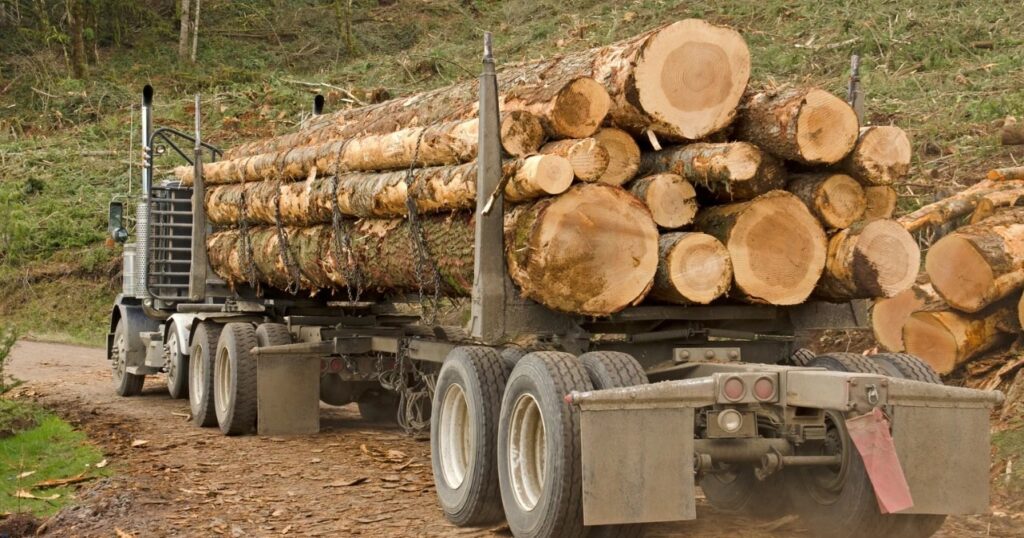
- Load the processed timber onto logging trucks for removal.
- Transport all heavy machinery off the site and conduct a final environmental sweep.
Working with Reliable Logging Contractors
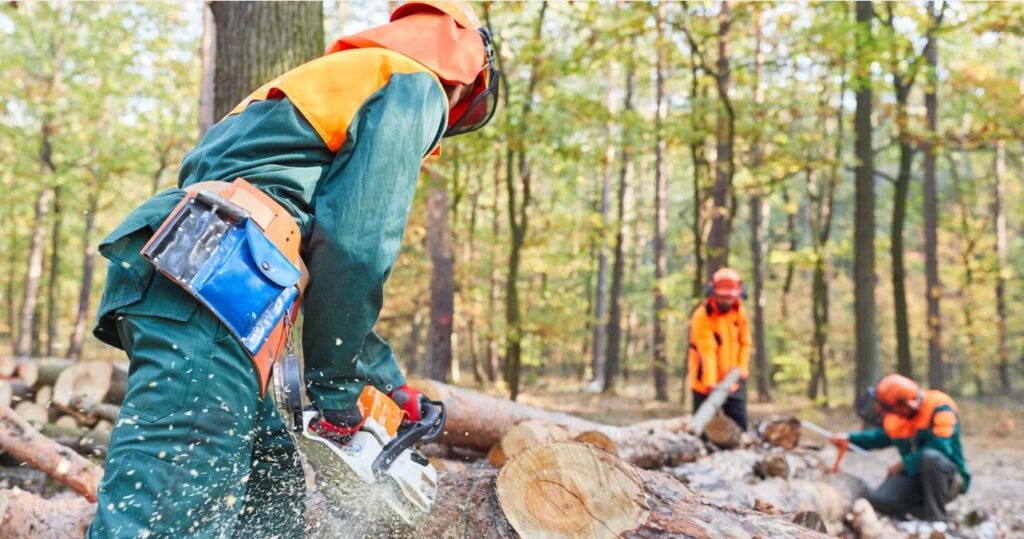
Selecting the right team for your acreage project is critical. Inexperienced operators lack the technical knowledge to navigate complex Alberta environmental codes and land clearing requirements. They may use improper machinery that damages your soil or fail to secure the correct permits, leaving you directly liable for the resulting provincial fines.
When vetting companies, ensure they have proven experience in the region and an intimate understanding of the specific soil types and municipal bylaws of your county. They must carry comprehensive liability insurance and demonstrate a clear track record of safety. Working with reliable logging contractors ensures your project runs on schedule, stays within budget, and adheres strictly to all provincial and municipal regulations.
Do not leave your acreage clearing to chance or risk devastating environmental fines. Contact SAN Forestry for a consultation to discuss your specific property requirements and receive a comprehensive operational plan.
Common Mistakes in Private Property Tree Removal
Property owners frequently make critical errors when attempting to manage acreage clearing themselves or when hiring unverified operators. Avoiding these errors saves thousands of dollars in fines and remediation costs.
Here are the most common mistakes in private property tree removal:
- Ignoring Riparian Setbacks: Clearing trees right up to the edge of a creek or pond destroys the embankment, causes severe sediment runoff, and triggers massive fines from the provincial environmental ministry.
- Failing to Locate Underground Utilities: Proceeding with deep soil disturbance or stump removal without contacting utility locating services leads to severed gas lines and electrical cables.
- Misunderstanding Property Lines: Relying on old fence lines rather than official surveys often results in logging trees on a neighbour’s land or public property, leading to immediate litigation.
- Improper Slash Management: Leaving massive piles of dry branches unmanaged creates a severe fire hazard that violates local fire codes.
- Disregarding Bird Nesting Seasons: Starting a clearing project in late spring without a wildlife sweep violates the federal Migratory Birds Convention Act.
- Poor Skidding Practices: Dragging timber haphazardly across soft ground destroys the topsoil layer, making it impossible to grow pasture or establish a stable foundation for future building.
What To Do If Something Goes Wrong
Even with meticulous planning, unexpected issues can arise during a land clearing project. Knowing how to react is crucial for mitigating damage and maintaining regulatory compliance.
If machinery causes accidental damage to an unmarked underground utility line, all work must cease immediately. The operator must shut down the equipment, evacuate the immediate area, and contact emergency utility services and local authorities. Do not attempt to inspect or repair the line yourself, as this poses an immediate safety hazard.
If a severe weather event causes unexpected soil rutting or sediment runoff into a nearby water body, deploy emergency silt fencing and erosion control blankets immediately to contain the runoff. Contact the municipal environmental officer to report the incident and submit a remediation plan. Transparency with local authorities is always preferable to attempting to hide environmental damage.
If you discover an active wildlife nest during the clearing process, halt operations in that specific sector instantly. Establish a buffer zone around the nest as required by provincial wildlife guidelines and consult a biological technician to determine when operations can legally resume in that section of the property.
Frequently Asked Questions
What is the average acreage land clearing cost in Alberta? The cost varies based on tree density, acreage size, and topography. Projects can range significantly, requiring a professional site assessment to provide an accurate estimate based on machinery hours and hauling distances.
Do I need a permit to clear trees on my private acreage in Edmonton? Yes, most municipalities require a development or tree-clearing permit, especially if the clearing exceeds a specific size or alters the land grade. You must consult your local county office before beginning any work.
What are bunch and skid services? This is the mechanical process where a machine cuts and stacks trees, and another machine drags those stacks to a central processing area. It is the most efficient and safe method for moving large volumes of timber on private land.
Are there specific environmental codes for land clearing in Alberta? Yes, landowners must adhere to regulations protecting wetlands, riparian zones, and wildlife habitats. You must maintain specific distances from water bodies and avoid clearing during migratory bird nesting seasons.
Can I burn the leftover wood and branches on my property? Burning slash requires a specific fire permit from your local county and can only be done outside of seasonal fire bans. The piles must be managed properly to prevent the spread of wildfires to adjacent properties.
How does the weather affect acreage land clearing? Weather heavily dictates project timelines, as heavy machinery cannot be transported during spring road bans. Operating equipment on wet, thawing ground causes severe soil damage, making winter or dry summer the optimal times for clearing.
What happens if I accidentally clear trees on Crown land? Harvesting timber on Crown land without the proper permits constitutes timber theft and environmental damage. This action results in severe provincial fines, legal penalties, and mandatory remediation costs.
Conclusion
Executing an Alberta acreage land clearing project requires strict adherence to municipal bylaws, an understanding of complex environmental codes, and the precise application of heavy machinery. From navigating residential timber harvesting laws to managing the logistics of equipment transport, every phase demands professional oversight. By following the correct workflows for bunching, skidding, and delimbing, and by respecting local conservation guidelines, landowners can successfully prepare their property for its next phase of development without incurring penalties.
Ensure your private wood clearing Edmonton project is handled by professionals with local expertise. Contact SAN Forestry today to request a comprehensive site assessment. Our team will evaluate your acreage, outline a compliant harvesting strategy, and provide a transparent estimate.